

Key Takeaways
- Identification is the first step to determining if a pest is a minor nuisance or a threat to your home’s structure.
- Many tiny white bugs are “indicator pests” that signal hidden moisture, leaks, or mold issues that need urgent repair.
- Where you find the bugs is the fastest way to identify them, with specific pests favoring kitchens, bathrooms, or furniture.
- Ignoring these pests can lead to significant structural damage or large-scale infestations that require professional intervention.
What Could Small White Bugs Be?
Have you been noticing tiny white bugs inside your home, but you can’t quite figure out what they are? Based on that description, the most likely candidates are whiteflies, springtails, clothes moths, grain mites, booklice, or termites.
With some types of tiny white pests, it’s a matter of how much you can tolerate – how much are they bothering you, and can you ignore them? However, other types of tiny white pests can be dangerous, and you should act quickly.
The first step is identification. Correctly identifying the pest you’re dealing with will help you understand your risk factors and next steps to take. So, what are those tiny white bugs in your house? We’ve put together this guide of the most common tiny white pests in houses in Texas.
Which Tiny White Bugs Do I Have?
“Tiny white bug” is a very subjective description. One person’s idea of “tiny” might be different from the next; similarly, some people might consider “off-white” to be white whereas others don’t.
That “tiny white pest” could be describing any number of pests, but it’s a start at least. When someone calls us about “tiny white insects,” most of the time, they end up being one of these:
Whiteflies
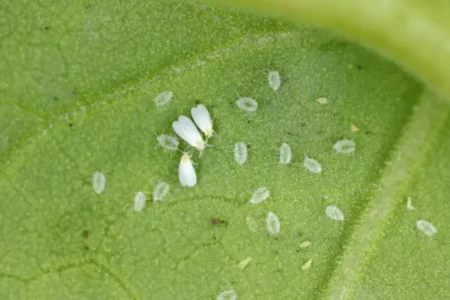
If you find a tiny fly that’s white and you’re not sure what it is, its name might be right under your nose. It might be a whitefly.
- Whiteflies look like aphids and mealybugs.
- They are common garden pests. However, they can also invade our homes through houseplants and produce.
- They truly are “tiny white pests,” but they’re not found indoors as much as other pests on the list.
What should you do about whiteflies in your home? Take out affected houseplants or use insecticidal soap to treat them. Check new plants before bringing them inside.
Clothes Moths
In the past, you’d find mothballs in almost every closet, but clothes moths aren’t as common as they once were.
- They can still wreak havoc on your closet.
- Thanks to better construction and sealing, infestations are much less common.
- It’s actually the larvae that’s destructive. These “tiny white pests” look like small worms and will eat practically any clothing and fabric they find.
What should you do about clothes moths in your home? Clean the clothes that are affected. Vacuum well. Also, think about using cedar blocks or other repellents in your closets.
Springtails
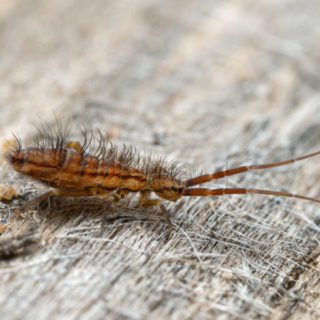
These tiny insects, white to light gray in color, are harmless but can be present in large numbers.
- They are very small and possess a unique “tail” that allows them to jump when disturbed, making them look like tiny white fleas.
- They thrive in high-moisture areas and are common in bathrooms, basements, or near leaky pipes.
- While they don’t bite or cause structural damage, their presence is a clear sign of a moisture problem.
What should you do about springtails in your home? Reduce moisture in affected areas. Fix leaky pipes and use dehumidifiers in damp spaces like bathrooms and basements.
Grain Mites
If you see “tiny white pests” in your kitchen or pantry, they might be grain mites or another pantry pest.
- These minuscule white pests feed on processed grains, cheese, flour, and cereals.
- They often leave behind a brown tinge called “mite dust” on food products that they infest.
- They’re truly tiny and can be easy to miss if you’re not looking carefully.
What should you do about grain mites in your home? Dispose of infested food products, clean pantry shelves thoroughly, and store dry goods in airtight containers.
Booklice (Psocids)
Small, pale insects that feed on mold and are often found in damp books, papers, or food products.
- They are almost transparent or creamy white and are so small they are often mistaken for tiny dust particles.
- These insects do not bite humans or pets and feed exclusively on microscopic mold and fungi.
- You will typically find them in humid areas or on items like old cardboard and books that have been stored in damp conditions.
What should you do about booklice in your home? Lower the humidity in your home to below 50%. Discard any moldy papers or damp cardboard boxes, and use a HEPA vacuum to remove remaining insects.
Mealybugs
Mealybugs are often mistaken for small bits of lint or white fuzz on indoor plants, making them a common sight for houseplant enthusiasts in Texas.
- These pests look like tiny, white, waxy cotton balls and are often found clustering where leaves meet the stems.
- They are slow-moving sap-suckers that cause leaves to yellow, wither, and eventually drop off.
- While they don’t pose a threat to your home’s structure, they can quickly spread to and destroy your entire indoor garden.
What should you do about mealybugs in your home? Wipe them off with a cotton swab dipped in rubbing alcohol. Use neem oil for larger infestations and keep any affected plants isolated from your healthy ones.
Bed Bug Nymphs
While adult bed bugs are reddish-brown, their young—known as nymphs—are nearly colorless and are easily mistaken for harmless white insects.
- Nymphs are translucent white or off-white and are approximately the size of a poppy seed.
- They hide in mattress seams, headboards, and baseboards, typically staying close to where people sleep.
- Because they are so small and pale, they are often overlooked until the infestation has become a significant problem.
What should you do about bed bug nymphs in your home? Avoid using DIY “bug bombs” as they can cause the nymphs to scatter deeper into your walls. Call a professional inspector immediately to confirm the sighting and begin a specialized treatment.
Plaster Beetles
Plaster beetles are frequently found in newer Texas homes or buildings that have recently undergone repairs for water damage.
- These are exceptionally tiny insects that range in color from a pale off-white to a light tan.
- They feed specifically on the microscopic mold and fungi that grow on damp drywall, plaster, and wallpaper.
- Spotting these beetles is a major indicator that you have a hidden moisture problem or a leak behind your walls.
What should you do about plaster beetles in your home? The most effective solution is to dry out the affected area with fans and dehumidifiers. Once the moisture source is fixed and the mold dries up, the beetles will lose their food source and disappear.
Termites

Termites aren’t exactly “tiny” but we included them here so you don’t dismiss the possibility.
- Subterranean termite workers and some soldiers are milky-white and less than 1 cm long.
- You can identify them by their bulbous abdomen and red-orange pincers.
- Termites are the most destructive pests, causing over $5 billion worth of damage annually. If you spot them in your home, call termite control right away.
What should you do about termites in your home? Act quickly. Early intervention stops serious long-term harm to your home’s structure. For best results, calling a professional termite exterminator to help is essential.
Where Did You Find Tiny White Pests?
We can also help narrow down which bug you’re dealing with by cross-referencing with where you discovered them. Here’s what you need to know:
- In the pantry? Likely Grain Mites.
- On a houseplant? Likely Whiteflies or Mealybugs.
- In the bathroom/near a leak? Likely Springtails or Booklice.
- Inside wooden furniture or walls? Likely Termites.
What Shouldn’t You Do About Tiny White Pests in Your Home?
Whatever you do, don’t ignore the situation. With any type of infestation, as it grows, the infestation becomes bigger, and so do the potential problems. Even pests that seem harmless can point to issues, like excess moisture, that need attention.
Should You Call an Exterminator About Tiny White Pests?
If it’s termites, yes, call right away. Termite nests are often located deep within the structure of a house, and the damage builds up.
For pests like whiteflies, clothes moths, grain mites, springtails, or booklice, getting professional help can save you time and stress after trying DIY methods.
And if you’re not sure what type of pest it is, call and get an inspection so you can know for sure. Pest control experts, like us at Bug Out, know how to spot tiny white pests. We have the training and experience to find them before suggesting the best treatment plan.
Tiny White Bug Control in Lubbock TX
If you have tiny white bugs at home, like termites or grain mites, call your local pest control expert, Bug Out. We can help you get rid of them safely. Our team keeps up with the latest pest control innovations, focusing on efficiency and being environmentally responsible.
Call us today with any questions or if you’re ready to schedule service!
Back to Fly Pest Control & Exterminator Services in Lubbock TX


