
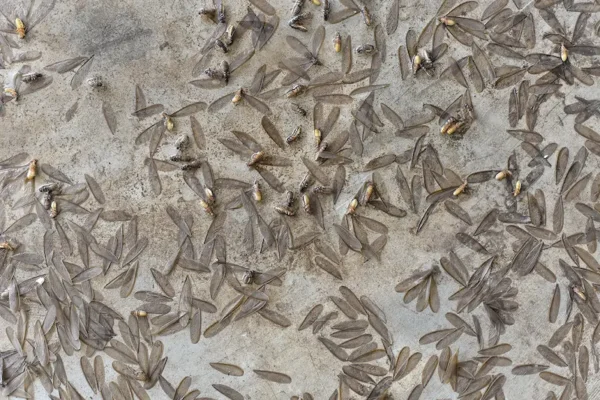
Knowing how to identify drywood termites early can save your Lubbock TX home from costly damage. Look out for telltale signs like termite swarms, tiny droppings called pellets, and wood that appears blistered or hollow. Recognizing these warning signals helps catch termite problems before they cause serious harm.
With over 60 years of experience protecting Lubbock TX homes from termites, we’ve seen firsthand how these pests can turn a family’s dream home into a costly headache.
What Exactly Are Drywood Termites?
Drywood termites are stealthy invaders that nest inside dry, untreated wood, with no soil or moisture required. Unlike their subterranean relatives who need contact with damp earth, drywood termites thrive by extracting all the moisture they need from the wood they consume. This means your roof supports, hardwood floors, or even furniture could be at risk.
Their size varies depending on their role in the colony. Soldier termites are roughly three-eighths of an inch long, while the reproductive termites, which start new colonies, are about half an inch. Their color ranges from light brown to a darker or yellowish hue.
Drywood Termites vs. Subterranean Termites: What Sets Them Apart?
The biggest difference lies in their habitat and survival needs. Subterranean termites require soil contact and moisture, building mud tubes to travel from the ground to your home’s wood. Drywood termites live entirely above ground, burrowing into dry wood without touching the soil at all.
Subterranean termites often sneak in through your foundation, but drywood termites can fly right through attic vents or tiny cracks near windows, setting up colonies anywhere wood is present, from your attic beams to your wooden furniture.
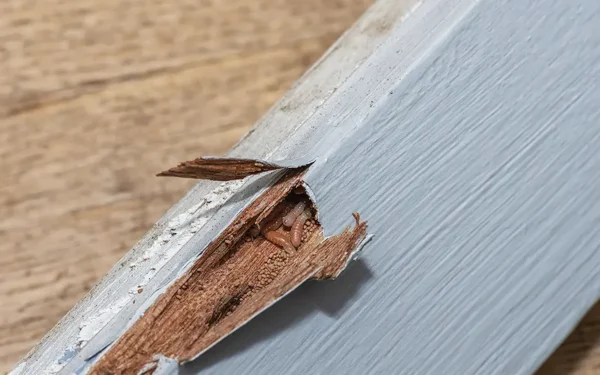
They also differ in how they eat wood. Drywood termites tunnel across the grain, hollowing out both soft and hard wood layers and creating smooth galleries that weaken your home’s structure.
Key Signs You May Have Drywood Termites
- Swarms of Winged Termites: Seeing these flying termites around your home means a colony is already established nearby, ready to spread.
- Pellets or Frass: Drywood termites push out tiny, rice-like droppings through small “kick-out” holes in the wood. These piles often accumulate beneath infested areas.
- Blistered or Bubbling Wood: Tunneling close to the surface can cause wood to bubble. Tapping on seemingly solid wood might reveal hollow sounds. Additionally, doors or windows that suddenly stick or fail to close properly are red flags.
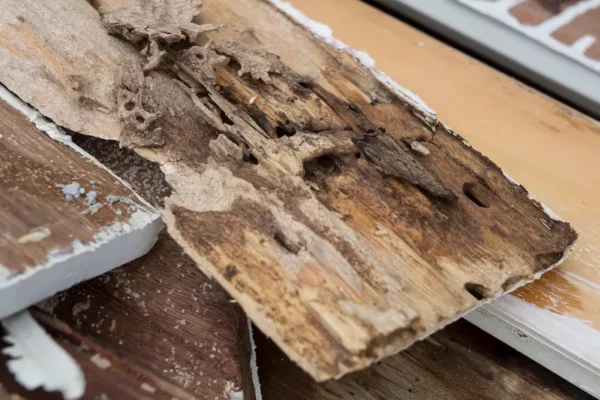
Drywood termites work quietly inside wood, often going unnoticed until serious damage has occurred. Regular inspections by trained professionals are vital to catch them early.
Why Are Drywood Termites So Tough to Eliminate?
Drywood termites pose a unique challenge because they live deep inside wood, often within walls or high attic beams where sprays can’t reach. Unlike subterranean termites, they don’t need to return to soil, so colonies can spread throughout your home, forming multiple satellite nests in different wood structures.
What’s the Most Effective Treatment for Drywood Termites?
Treatment depends on how widespread the infestation is. For small, localized colonies (like in a door frame or piece of furniture) we use targeted solutions such as injecting termiticides directly into termite galleries or applying specialized expanding foams that penetrate hidden areas.
When infestations are extensive and affect multiple parts of your home, fumigation is often the best choice. Though it requires temporarily vacating your house, fumigation’s penetrating gas reaches deep inside wood, eradicating every termite in every tunnel.
Our Drywood Termite Treatment Strategy
At Bug Out, we start with a thorough inspection of your entire property. Our experienced technicians examine all potential entry points and hiding spots, from visible wooden beams to concealed areas behind walls and furniture.
Once we assess the infestation’s scope, we develop a customized treatment plan tailored to your home’s needs. For minor issues, spot treatments may suffice. For larger problems, we recommend tent fumigation to guarantee complete removal.
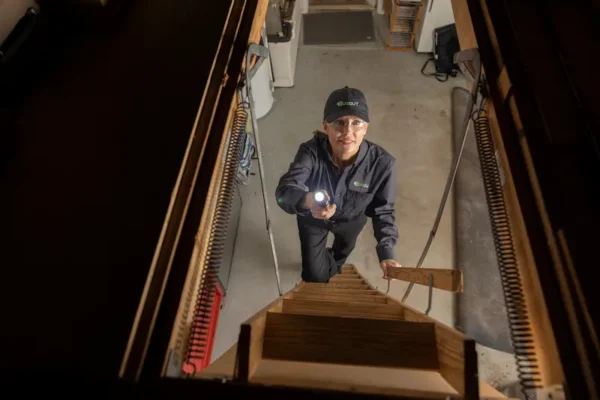
But our commitment doesn’t end there. We schedule follow-ups to ensure termites are gone and guide you on how to prevent future infestations, like sealing entry points and minimizing conditions that attract termites.
Protect Your Lubbock TX Home with Bug Out’s Expert Termite Services
Choosing the right pest control partner can feel overwhelming when termite damage is threatening your home. Lubbock TX families trust Bug Out because we work tirelessly to protect their biggest investment (their home) from wood-destroying pests.
Don’t wait until termites have caused irreversible harm. The sooner you call us, the sooner we can stop drywood termites in their tracks and restore your peace of mind. Contact Bug Out today for a professional termite inspection and safeguard your home’s future.