
 How rodent control and exclusion from Bug Out protects your supply chain, regulatory compliance, and brand reputation.
 How rodent control and exclusion from Bug Out protects your supply chain, regulatory compliance, and brand reputation.
Securing high-risk commercial delivery areas requires a thorough framework that combines heavy-duty mechanical exclusion, perimeter defense, and continuous site monitoring. At Bug Out, we utilize industrial-grade dock leveler seals, brush weather stripping, and targeted perimeter arrays to protect supply chain integrity, helping local businesses ensure regulatory compliance and prevent costly inventory loss.
Key Takeaways:
- Initial site evaluations pinpoint specific behavioral vectors for Norway rats, roof rats, and house mice across your property envelope.
- Heavy-duty dock leveler seals, door sweeps, and penetration proofing create an impenetrable physical barrier at high-traffic ingress points.
- Exterior monitoring arrays utilize tamper-resistant stations, multi-catch units, and real-time pest monitoring systems.
- Long-term control pairs structural proofing with strict facility habits, including FIFO pallet staging, sealed waste corridors, and vegetation buffers.
- Comprehensive device logs, activity trend graphs, and inspection reports provide 24/7 verification for GFSI, SQF, BRC, AIB, FDA, and USDA audits.
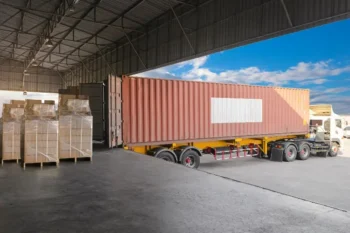
Loading docks, receiving bays, and waste corridors represent the single greatest vulnerability in any commercial facility’s pest defense envelope. High-volume freight movement, extended roll-up door cycles, and nearby garbage containers create an open, uninterrupted vector for rodents seeking food, moisture, and indoor harborage.
Left unaddressed, a single pest sighting in a receiving corridor can rapidly escalate into contaminated product, failed third-party compliance audits, and severe operational downtime.
Why Delivery Areas Are So High Risk
Delivery infrastructure is inherently designed for high-volume access, making it uniquely vulnerable to pest pressure. Understanding these entry dynamics is essential to building an unyielding defense line around your property in Lubbock TX.
Inherent Vulnerabilities
- Constant Traffic: Roll-up doors and dock levelers remain open for extended periods during daily loading and unloading operations, removing the primary physical barrier between outdoor pests and indoor inventory.
- Attractants & Staging: Organic waste, staging pallets, and trash compactors nearby provide ready food, water, and harborage opportunities right outside receiving doors.
- Direct Pathways: Once inside a dock area, rodents have immediate access to sensitive areas like food storage sectors, clean processing rooms, manufacturing floors, or retail sales spaces.
Risks to Business
- Regulatory Noncompliance: Unchecked rodent activity risks immediate audit failures under FDA, USDA, SQF, and AIB standards, potentially triggering enforcement actions, formal citations, or facility shutdowns.
- Inventory & Financial Loss: Contaminated inventory leads to costly write-offs, destroyed packaging, and rejected shipments, directly undercutting operating margins.
- Structural & Equipment Damage: Rodents constantly gnaw through electrical wiring, conduit, insulation, and door seals, introducing severe fire hazards, equipment failure, and operational downtime.
- Brand Reputation: Publicized pest breaches severely compromise client trust, jeopardize key commercial contracts, and inflict lasting damage on critical supply chain relationships.
Our Pest Management Process in Delivery Zones: From Risk Mitigation to Total Envelope Protection
Eliminating high-stakes delivery area vulnerabilities demands a transition from temporary fixes to an engineered, multi-layered defense model. High-volume freight movement constantly tests your building envelope, making a structured exclusion and continuous monitoring program essential for complete risk mitigation.
Our proven four-phase commercial pest framework addresses every vulnerability across your delivery zones—from initial risk mapping to audit-ready compliance.
Phase 1: Comprehensive Site Assessment & Risk Mapping
Effective commercial pest and rodent management starts with detailed data gathering. Bug Out always begins with a comprehensive evaluation of your entire property footprint to pinpoint vulnerabilities before pests exploit them.
Detailed Exterior Audits
Our technicians conduct thorough physical inspections across perimeter fence lines, dense vegetation, dumpster pads, dock plates, and building foundations. We inspect structural joints, expansion gaps, and utility penetrations to map out every current or potential rodent runway.
Audit-Ready Documentation
We document every finding in our site assessment, establishing clear hotspot mapping. This data forms the baseline for ongoing compliance reporting, trend analysis, and target verification required by third-party auditors.
Identifying Target Species
Different rodent species exhibit distinct behaviors that demand tailored control tactics:
- Norway Rats (Brown Rats): Burrows in soil near foundations and heavy machinery; requires subterranean perimeter defense.
- Roof Rats: Exceptional climbers that utilize overhead conduits, soffits, structural steel, and utility lines to gain access near rooflines.
- House Mice: Capable of squeezing through gaps as small as a quarter-inch; requires micro-exclusion focus along all lower wall perimeters and door edges.
Phase 2: Structural Exclusion for Loading Docks & Delivery Areas
Exclusion represents the primary, long-term line of defense for commercial pest management. Bug Out fortifies your facility’s exterior building envelope using commercial-grade, rodent-resistant materials engineered to withstand high-impact industrial environments. Structural proofing protocols are applied directly to identified high-risk vulnerabilities across loading docks, roll-up doors, and wall perimeters.
Loading Dock & Roll-Up Door Proofing
Loading docks present unique mechanical gaps around leveler plates and door tracks. We seal these ingress vectors using specialized industrial components:
- Dock Leveler Seals: Heavy-duty, flexible seals close side and rear leveler gaps without impeding mechanical plate movement or snagging forklift traffic.
- Industrial Door Sweeps & Stripping: Reinforced brush weather stripping and heavy-gauge sweeps along roll-up doors eliminate bottom and side light gaps down to the floor.
- Penetration Sealing: Stainless steel mesh paired with high-performance elastomeric sealants closes gaps around cable, utility, and conduit penetrations.
Exterior Defense
Technicians systematically seal the outer shell to block structural entry across all elevated and ground-level pathways:
- Foundation & Wall Gaps: Weep holes are fitted with breathable stainless steel mesh, expansion joints are filled, and all exterior structural gaps exceeding 1/4 inch are permanently closed.
- Overhead Ingress Protection: Heavy-gauge wire mesh or custom metal flashing is anchored over soffits, rooflines, exhaust vents, and HVAC intake louvers to deny Roof Rat access.
Phase 3: Exterior Perimeter Defense & Connected IPM Systems
Exclusion stops pests at the building envelope, while a structured monitoring system manages activity throughout your facility and grounds. At Bug Out, we use a layered defense model tailored to your site layout and regulatory requirements.
Layered Perimeter Defense Zones
- Outer Perimeter (Property Line & Fence Line): Secure, tamper-resistant exterior bait stations are anchored directly to concrete or steel posts along the outer boundary to knock down pest populations before they reach the facility.
- Intermediate Zone (Grounds & Exterior Shell): Non-toxic monitoring blocks, mechanical snap traps, or multi-catch units are strategically placed along building exterior walls to protect non-target wildlife while adhering strictly to organic or sensitive audit mandates.
- Ingress Zone (Docks, Doors & Receiving Bays): High-traffic entry bays are fitted with connected monitoring hardware to detect activity at critical entry doors the moment a rodent attempts to enter.
Remote Digital Monitoring with PestConnect Technology
For facilities requiring zero-tolerance compliance, Bug Out offers the PestConnect system — an ecosystem of connected devices that delivers real-time, automated rodent monitoring and instant alert capabilities:
- Automatic Monitoring: Specialized devices placed at high-risk dock plates and exterior runways monitor activity continuously. When triggered, AutoGate Connect automatically opens only when a pest is present, reducing non-target exposure and adhering to strict regulatory standards.
- Instant Alerts & Rapid Response: The moment a device is activated, a signal is transmitted to the cloud, alerting both your facility operations team and local technicians for rapid targeted intervention.
- Continuous 24/7 Protection: Eliminates reliance on manual inspection cycles alone by providing round-the-clock surveillance across all perimeter access points, ensuring immediate risk mitigation before rodents establish harborages inside receiving bays.
Phase 4: Sanitation, Staging & Facility Best Practices
Commercial rodent control operates as a shared responsibility between facility management and your pest control partner. While physical exclusion and monitoring arrays restrict pest pressure, rigorous operational hygiene starves rodents of food, water, and harborage—ensuring long-term IPM success.
Dock Management Guidelines
- Pallet Staging & Clearance: Maintain a minimum 18-inch border clearance between stored pallets and all interior/exterior walls. Keep pallets elevated and strictly enforce First-In, First-Out (FIFO) inventory rotation to prevent uninterrupted harborage.
- Refuse & Waste Corridors: Ensure trash compactors maintain liquid-tight seals. Execute daily washing schedules for waste staging areas and enforce mandatory clearance distances between outdoor refuse containers and receiving doors.
Vegetation & Perimeter Management
- Ground Foundation Barriers: Maintain a clean 12- to 18-inch gravel or crushed stone vegetation-free zone along the entire exterior foundation perimeter.
- Overhead Branch Clearance: Prune all tree branches back a minimum of 6 feet from rooflines and structural soffits to eliminate aerial bridges utilized by Roof Rats.
Compliance, Reporting & Audit Readiness
Maintaining an exterior pest defense is essential for audit preparation. Bug Out delivers clear, comprehensive reporting designed to satisfy third-party auditors across all major commercial food safety and manufacturing standards.
Audit-Proof Documentation
Every service visit includes complete documentation logging device inspections, capture counts, corrective actions, and trend reports. Our protocols align directly with audit criteria for:
- Global Food Safety Initiative (GFSI)
- Safe Quality Food (SQF)
- British Retail Consortium (BRC)
- American Institute of Baking (AIB)
- FDA & USDA regulatory inspections
Digital Portal Access
Facility managers and QA directors gain 24/7 access to our online portal. Track device activity, view dynamic trend graphs, access safety data sheets (SDS), review site maps, and download inspector-ready service logs at a moment’s notice.


