

Unsettling and hard to miss, house centipedes (Scutigera coleoptrata) are known for their many long legs, which they use to move alarmingly fast. Spotting one of these creepy pests skittering across the floor or a wall is enough to make your skin crawl. The good news is, despite their frightening appearance, house centipedes are mostly harmless to humans and can actually be beneficial for their pest control abilities.
But if you want house centipedes gone, the first step is understanding why they’re coming in in the first place. It’s because of some or all of these reasons:
- They Found a Steady Food Supply in Your Home
- Your Home Has Plenty of Moisture
- The Outdoor Environment Supports Them
- There Are Plenty of Hiding Spots in Your Home
Continue for audio or to read the in depth details, or view the video overview.
Listen Now to Learn More About House Centipedes
This audio covers all you need to know!
Reason #1 – Your House Has Plenty of Food for House Centipedes (AKA You Have a Pest Problem)
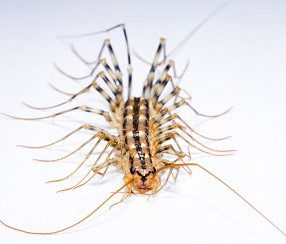 House centipedes aren’t trying to startle you when they sprint across the bathtub. They’re just looking for their next meal. As nighttime hunters, they spend their active hours searching for insects while their resting hours are tucked into dark, damp corners.
What’s for Dinner?
Many people are surprised to learn that house centipedes are helpful in one way – they feed on other pests. House centipedes will hunt any of these pests:
- Ants
- Bed bugs
- Cockroaches
- Crickets
- Earwigs
- Moths
- Silverfish
- Spiders
- Termites
- And many more
Reason #2 – Your Home Has Plenty of Moisture
House centipedes need damp environments to survive and thrive. To make your home less appealing, try these moisture-control tips:
- Repair leaky spigots and hoses: Excess water around your foundation attracts insects, and the centipedes that eat them.
- Clean and maintain your gutters: Clogged gutters can overflow, soaking the ground around your home.
- Improve landscaping drainage: Trim back overgrown bushes to allow sunlight to dry soggy areas.
- Control indoor humidity: Use a dehumidifier in damp basements and ventilate bathrooms after showers.
House Centipedes Live Outside First
Although you may spot them rushing across the floor or disappearing into a bathroom drain, house centipedes don’t originate indoors. These arthropods begin life outside, preferring damp, dark environments that offer both protection and plenty of prey.
You’re most likely to find them hiding in moist leaf piles, beneath landscaping stones, inside rotting logs, or within mulched garden beds. That’s why they prefer the same type of environments indoors.
One of their favorite outdoor zones is the soil surrounding your home’s foundation. This strip of land tends to stay humid and cool, while also supporting plenty of small insects, a perfect hunting ground for centipedes. Once they’re living close to your walls, it doesn’t take much for them to wander indoors, especially when outside conditions become hot or dry.
Reason #3 – Your Outdoor Environment Supports Them
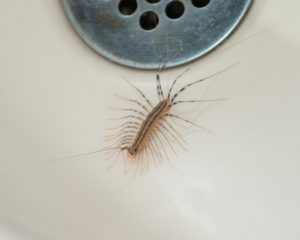 If your yard has what house centipedes need (food, water, and shelter), the odds are good that eventually they will make their way inside your home. Without regular yard maintenance, you could be giving them exactly what they want.
The second part of this is checking your home’s exterior and sealing it up anywhere they could be gaining access. They commonly slip inside through tiny cracks in the foundation, loose siding, open vents, or even unsealed windows. Once indoors, they quickly seek out damp, shadowy places where food is abundant and they won’t be bothered.
Here are some simple ways to reduce the likelihood of house centipedes from coming inside:
- Stack firewood neatly and keep it raised off the ground.
- Remove unused items from the yard, like tools or old patio furniture.
- Collect and store outdoor toys when not in use.
- Rake up fallen leaves, especially after rain.
- Mow frequently and control overgrowth around your home.
- Seal any cracks or openings in the foundation, around pipes, and along windows.
- Replace damaged screens and fix worn-out weather stripping on doors.
Possible Outdoor Hiding Spots
To help reduce their chances of invading your home, take a look at these common outdoor hiding spots:
- Shrubs and garden plantings: These attract bugs like aphids and mites, which serve as easy meals.
- Hardscape features like bricks or pavers: These offer excellent shelter for insects that centipedes pursue.
- Poorly managed trash bins: Decaying waste attracts flies and spiders, which in turn draw in hungry centipedes.
A soggy, cluttered yard isn’t just appealing to bugs; it’s an open invitation to the predators that feed on them.
Reason #4 – There Are Plenty of Hiding Spots in Your Home
Because they’re light-sensitive and reclusive, house centipedes are drawn to cluttered, low-traffic areas where they can hide. Whether it’s a cluttered library or a wet, dirty bathroom, these spots offer them the perfect place to rest.
Should You Be Concerned About House Centipedes?
They may look intimidating, but house centipedes aren’t generally considered harmful. They’re reclusive creatures that prefer to flee rather than fight. Their sudden appearance might be alarming, but in most cases, they’re just moving through, hunting for insects.
Even so, you shouldn’t try to handle them. Like all centipedes, house centipedes are venomous to their prey and may deliver a defensive pinch if threatened. This sting is typically mild, often compared to a quick bee sting, but it can still be unpleasant.
People with insect-venom allergies may react severely. Signs like swelling, breathing difficulties, or lightheadedness should be treated as medical emergencies.
While house centipedes aren’t dangerous for most people, it’s wise to make sure children and pets steer clear of them.
Seeing One Likely Means You’ve Got Other Pests
The reason for concern after seeing a house centipede isn’t the centipede itself – it’s the fact that you’re likely also dealing with a pest infestation.
These predators stay where food is plentiful, and their presence typically signals a larger insect population hiding out of sight. Squashing one may feel like a win, but it won’t stop the problem. To truly eliminate house centipedes, you’ll need to remove what’s attracting them in the first place.
That’s where we come in. Our team can inspect your property, identify insect activity, and create a personalized seasonal pest control plan that targets both the centipedes and the bugs they feed on.
Contact us today to book an inspection and reclaim your home from unwanted pests.


